Allen
 wildfire
 ACRES BURNED
1,691
STATE
Alaska
ORIGIN COUNTY
Yukon-KoyukukCONTAINMENT
N/A
THIS FIRE IS STALE
This incident has not been updated in more than three days. Data may be inaccurate.
Response
LEAD AGENCY
Bureau of Land ManagementRESPONSE LEVEL
Type 5

Details

INCIDENT DETAILS

FIRE BEHAVIOR
Active
NEAREST CITY
—
DESCRIPTION
47 Miles W from Wiseman, AKAllen Fire Report — July 10, 2026
Fire Start, Size and Growth
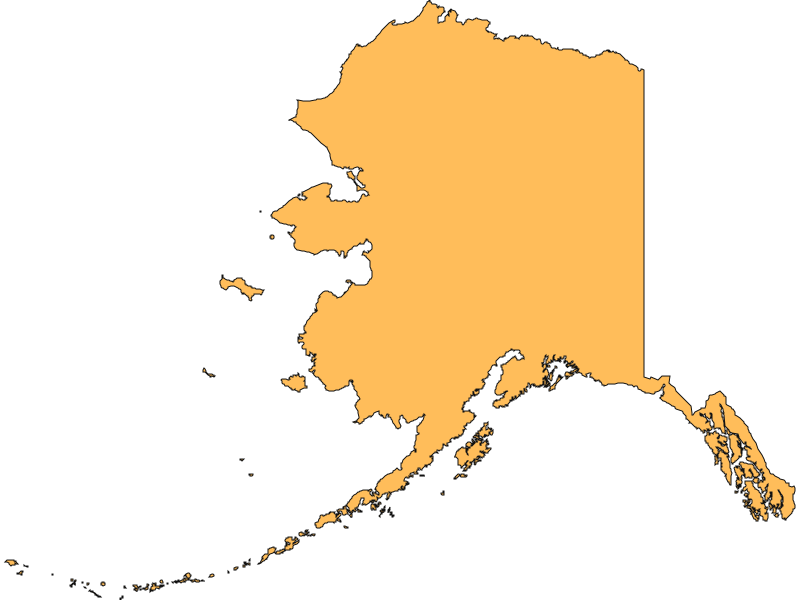
Start Date/Time/Location: The Allen Fire ignited on June 26, 2026, and is located in a remote area of Yukon-Koyukuk County, Alaska.
Size and Containment: As of July 10, 2026, the fire has burned approximately 1,691 acres and remains 0% contained.
Fuels, Growth and Rate of Spread: The fire is burning through remote boreal forest and tundra, which is typical for the Alaskan Interior. Growth over the last 72 hours has been driven by dry vegetation and seasonal summer heat.
Containment Efforts: Because this fire is located in a vast, unpopulated area of Yukon-Koyukuk County, fire management agencies are currently employing a monitoring strategy rather than full suppression. This is a standard approach in Alaska for remote fires that do not immediately threaten lives, property, or critical infrastructure. The fire is being actively tracked via satellite and aerial reconnaissance to ensure it does not approach any values at risk.
Emergency Information
Evacuations and Sheltering:
I cannot find any information on mandatory evacuation orders, evacuation warnings, or evacuation shelters for the Allen Fire. Due to the fire's remote location, it does not currently appear to threaten populated communities.
Road and Infrastructure Closures:
I cannot find any information on road, school, or infrastructure closures related to the Allen Fire. Travel in the immediate remote vicinity may be hazardous, but major thoroughfares are not reported to be impacted at this time.
For more information on evacuations and road closures, visit:
- Alaska Interagency Coordination Center (AICC)
- Alaska Division of Forestry & Fire Protection
- Alaska 511 - Travel Information and Road Closures
Current Impact
Impacts:
Injuries and Fatalities: I cannot find any information regarding injuries or fatalities associated with the Allen Fire.
Structures Impacted: I cannot find any information on structures damaged or destroyed, nor any notable people or landmarks impacted by this fire.
School and Business Closures: I cannot find any information regarding school or business closures.
Safety Concerns:
Power Outages: There are no reported power outages associated with the Allen Fire.
Water Safety: No specific water safety concerns have been reported.
Air Quality: Smoke from fires in the Alaskan Interior can travel significant distances and degrade air quality in surrounding regions. Residents in the broader region are advised to monitor local air quality indices and limit outdoor activities if smoke settles in their area.
Burn Bans: Residents should consult local authorities regarding active burn bans, as fire danger remains high across the Alaskan Interior during this time of year.
Ongoing Outlook
Containment Projections: The fire is expected to remain at 0% containment in the near term as authorities continue to monitor its spread rather than actively suppress it. Firefighters will only engage in direct containment efforts if the fire's trajectory shifts to threaten remote allotments, cabins, or other infrastructure.
Weather and Wind Warnings: July is historically one of the most active periods for wildfires in Alaska. Forecasts call for continued heat, low humidity, and gusty winds across the Interior. These hot, dry, and windy stretches are expected to persist through the weekend, which could lead to further expansion of the fire perimeter over the coming days.
Cause and the Role of Weather and Climate
Cause: While the exact cause of the Allen Fire has not been officially detailed in recent incident reports, the vast majority of wildfires in this remote region during the summer months are ignited by lightning strikes.
Weather and Climate: The fire is being fueled by prime mid-summer fire weather. Long, warm daylight hours following the summer solstice have significantly dried out plant litter and tundra vegetation. Additionally, broader climate factors, including above-average temperatures and the development of the El Niño–Southern Oscillation, have contributed to a warmer and drier environment, elevating the fire risk and overall fire activity across the state of Alaska this season.
 View All