BY STATE
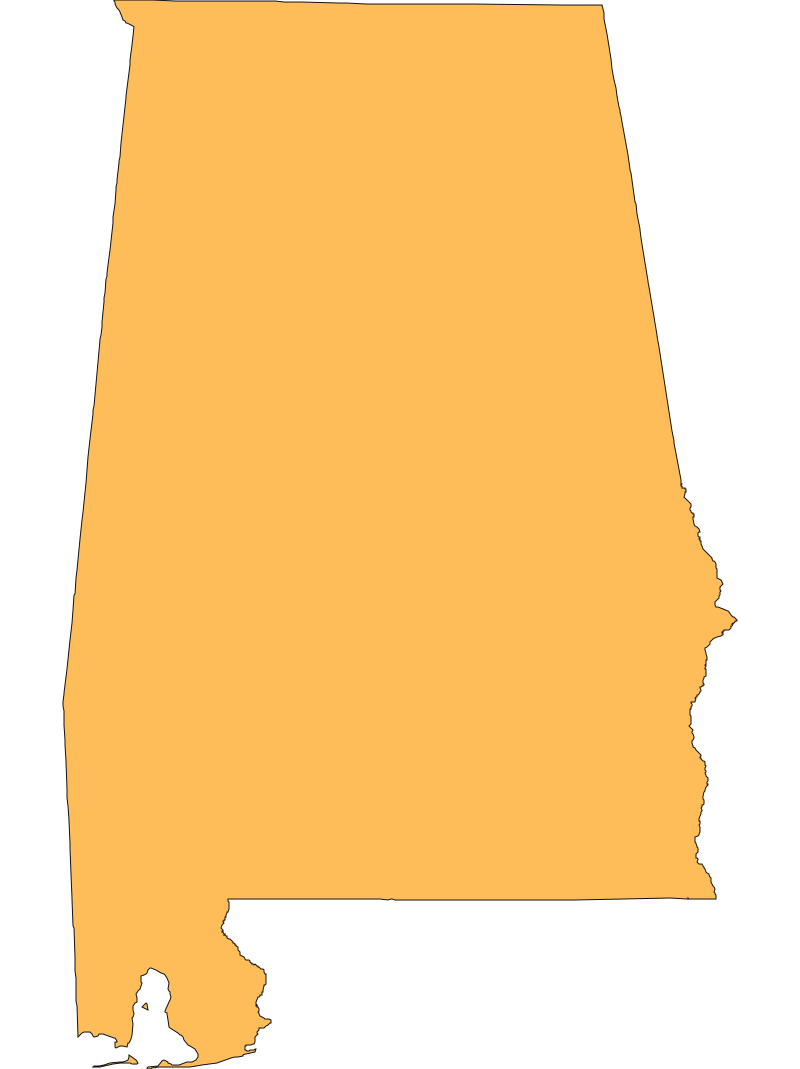
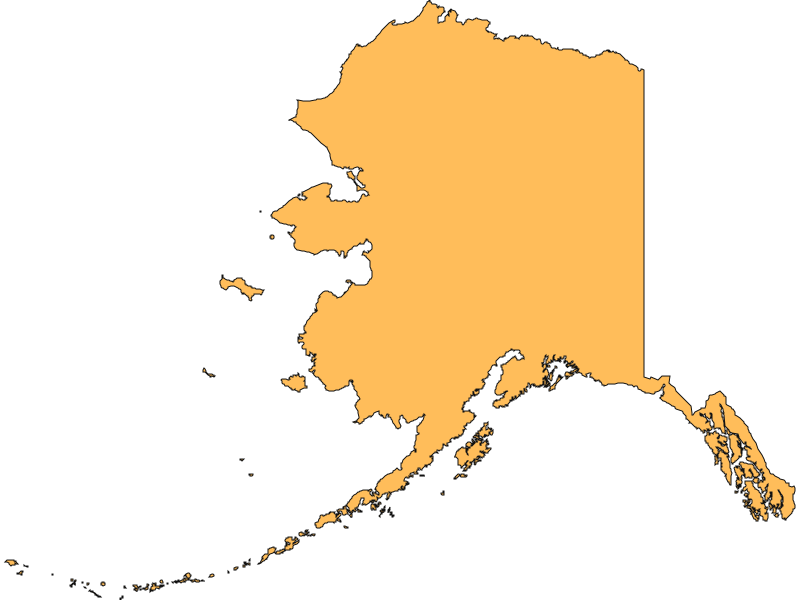
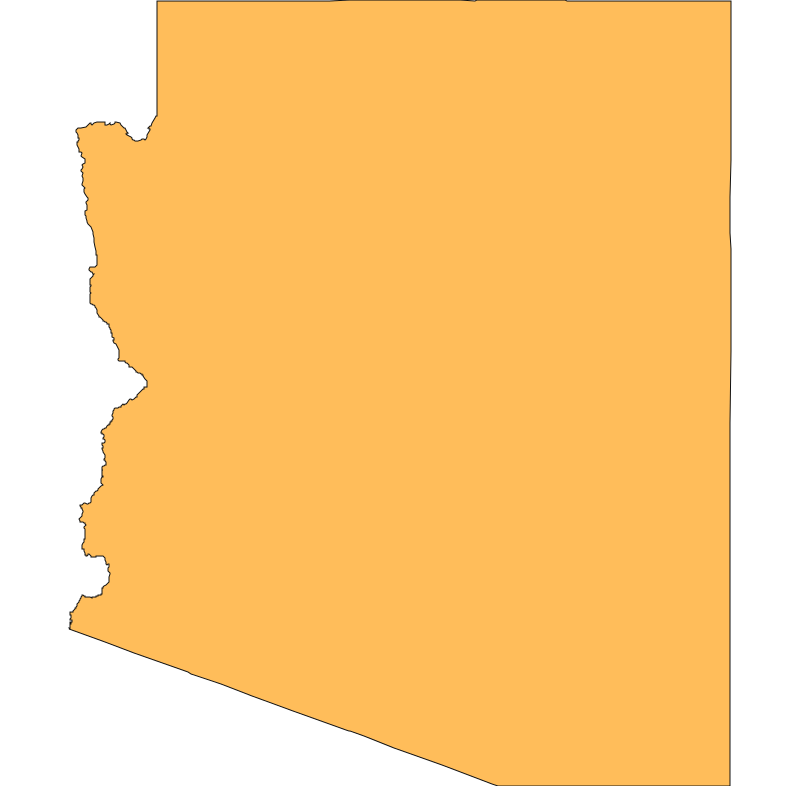
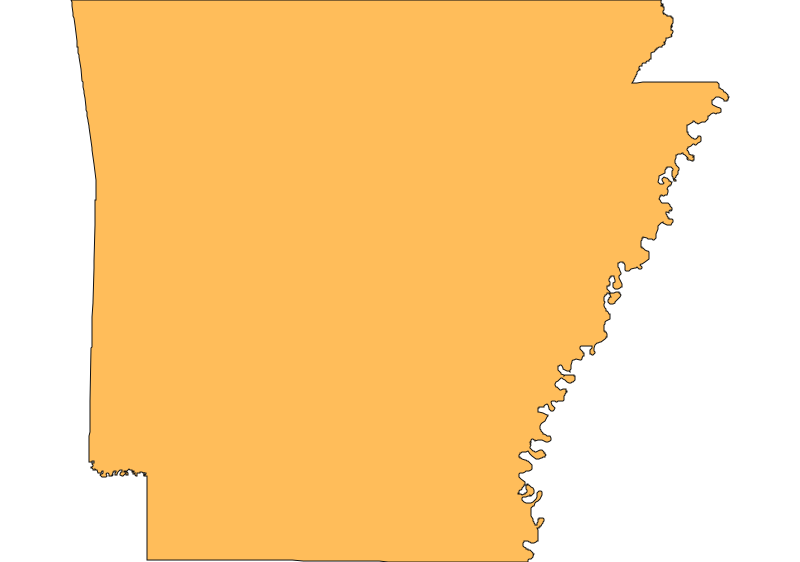
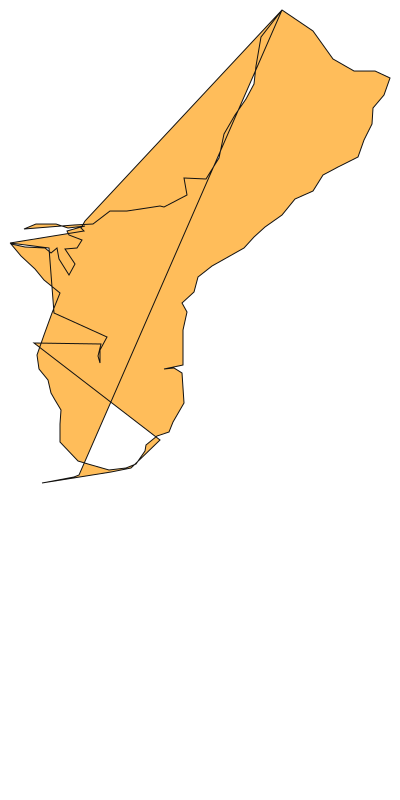
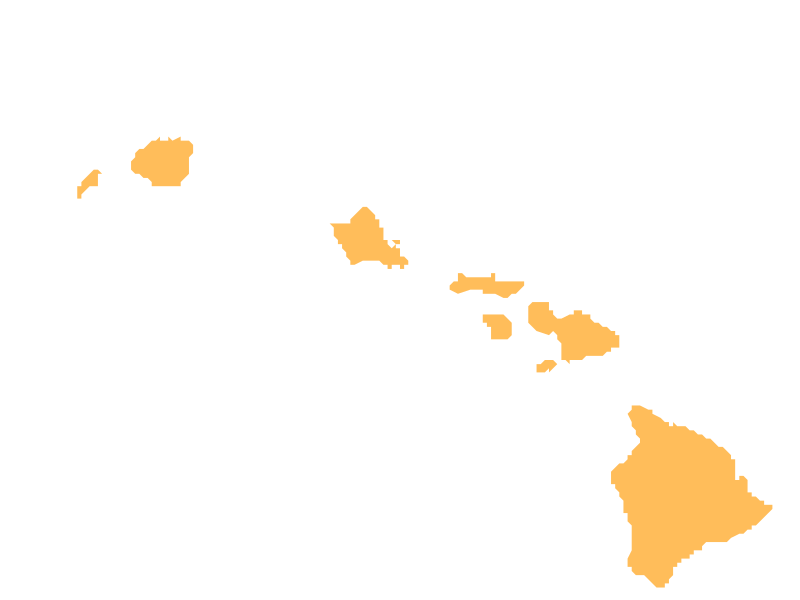
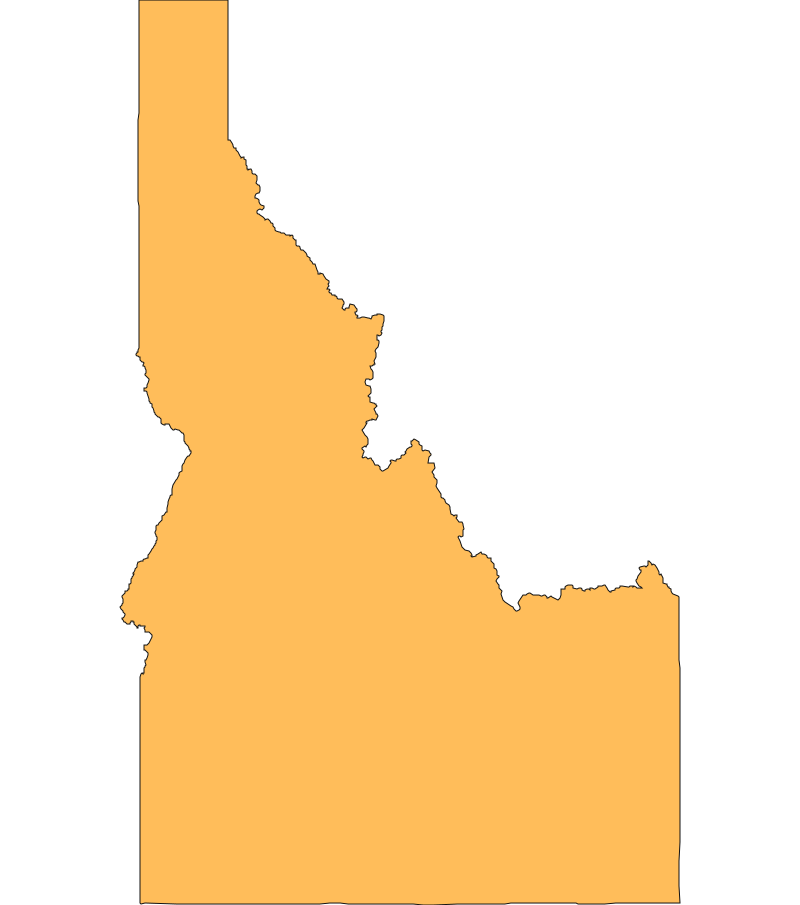
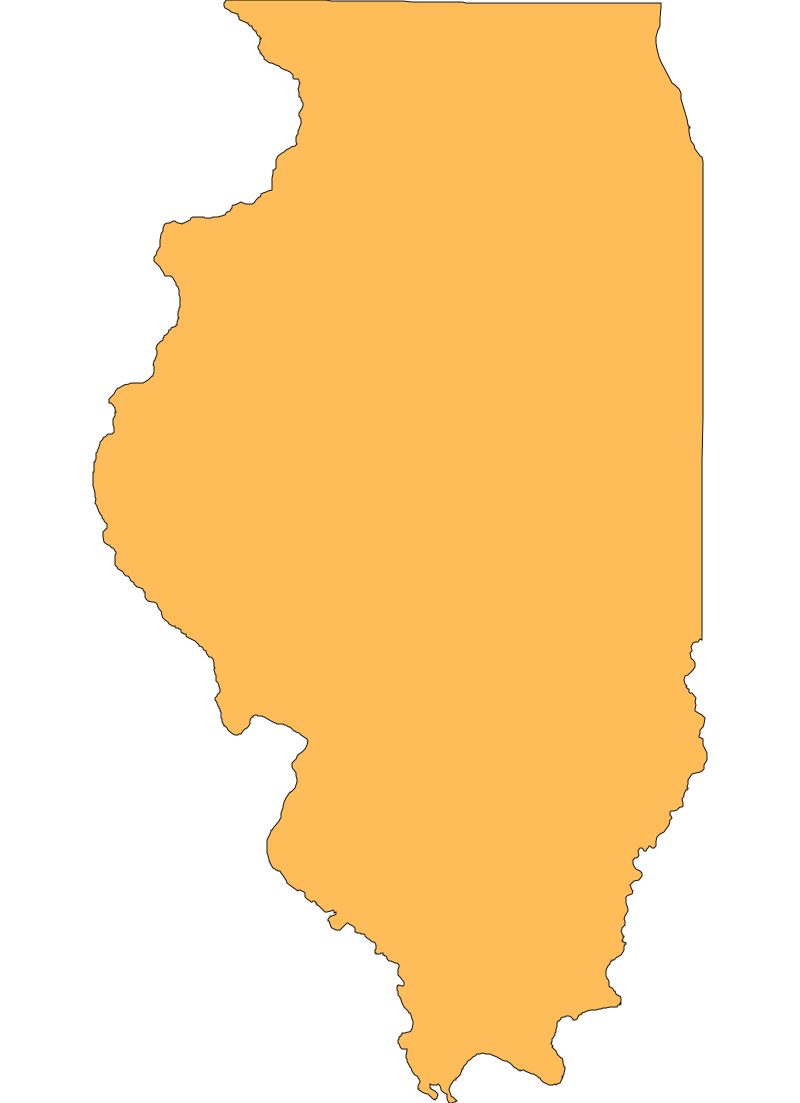
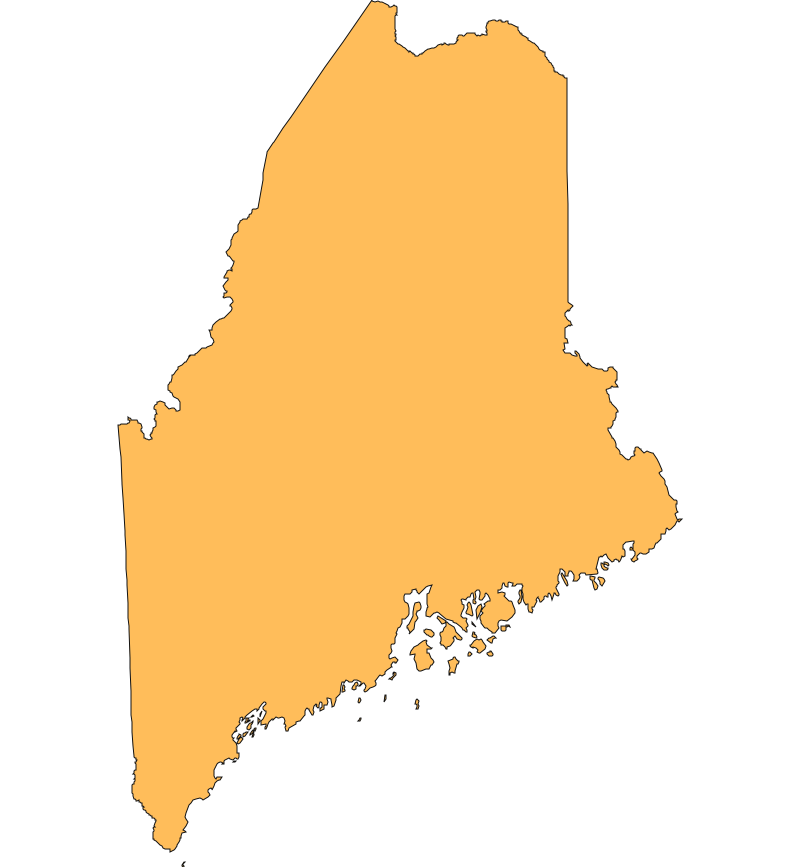
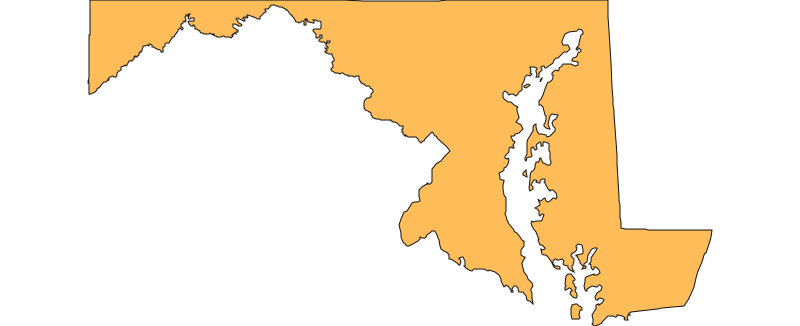
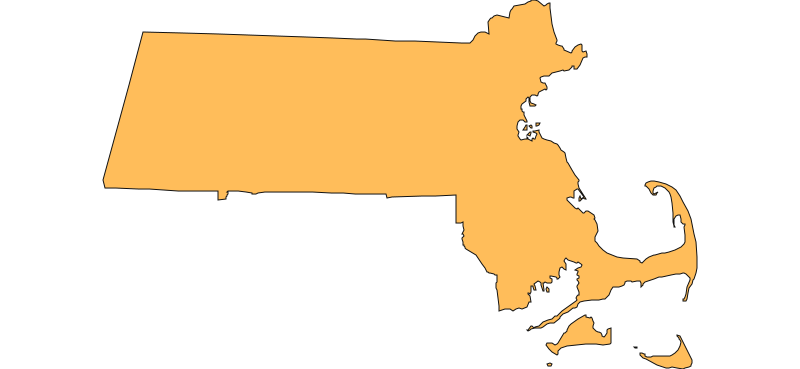
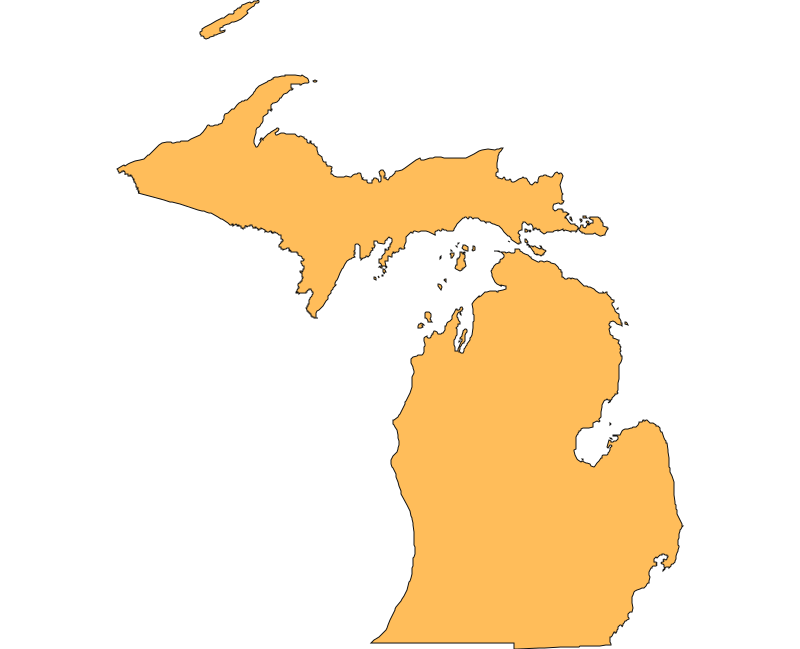
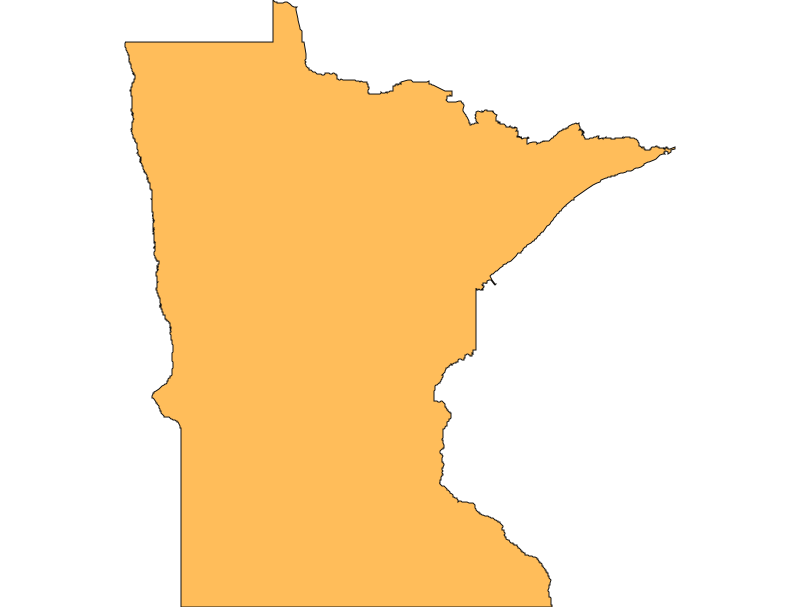
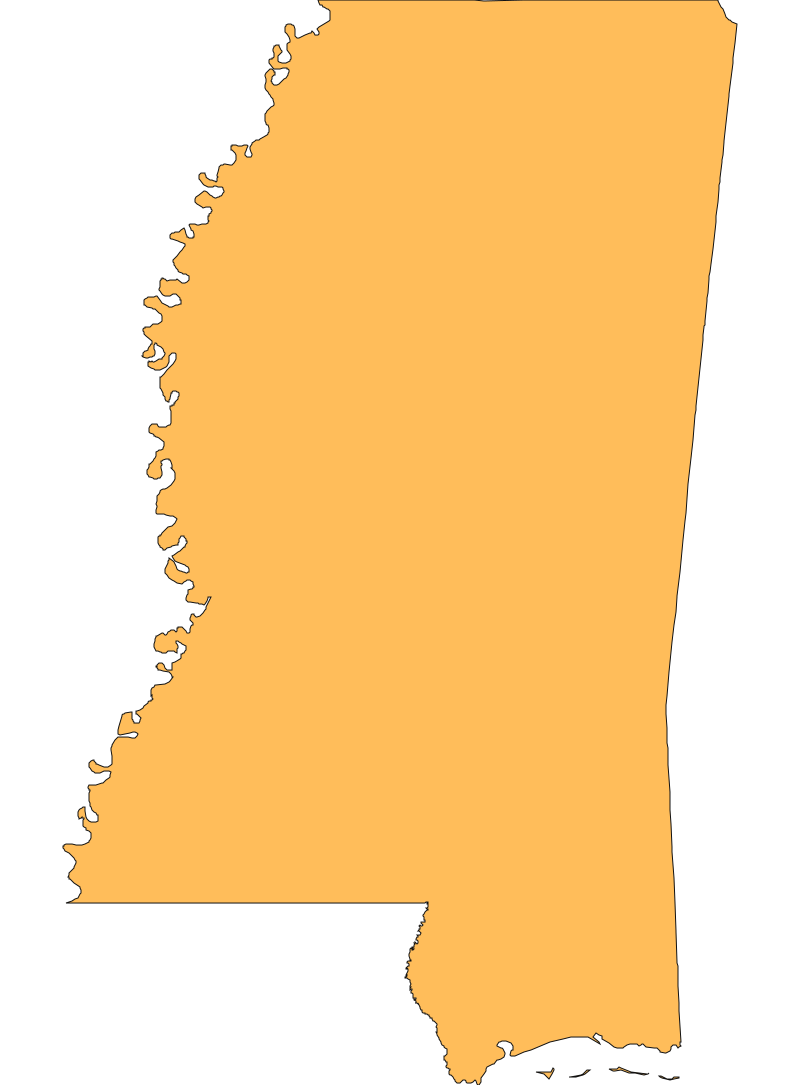
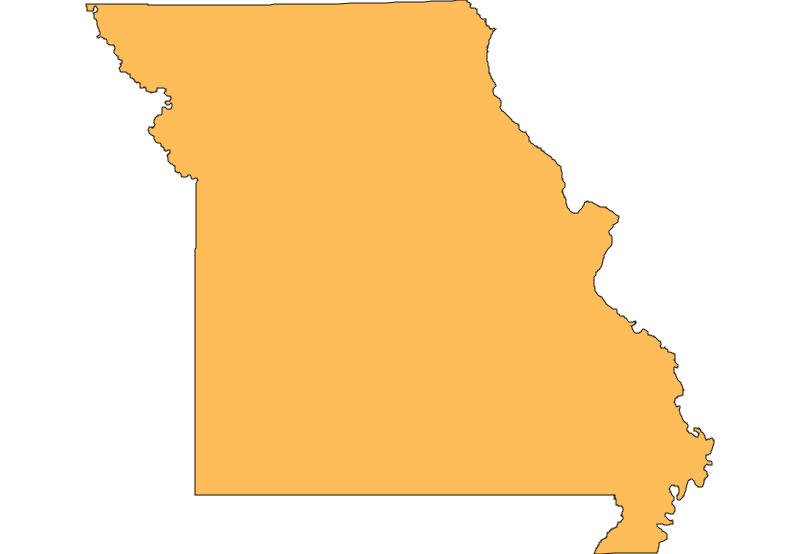
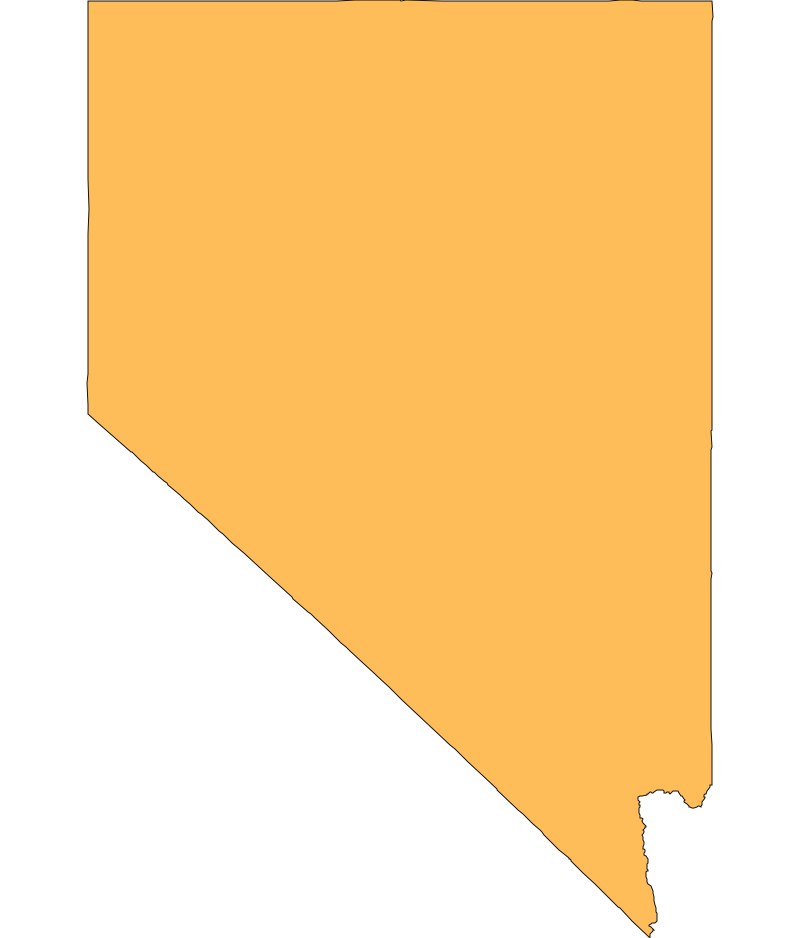
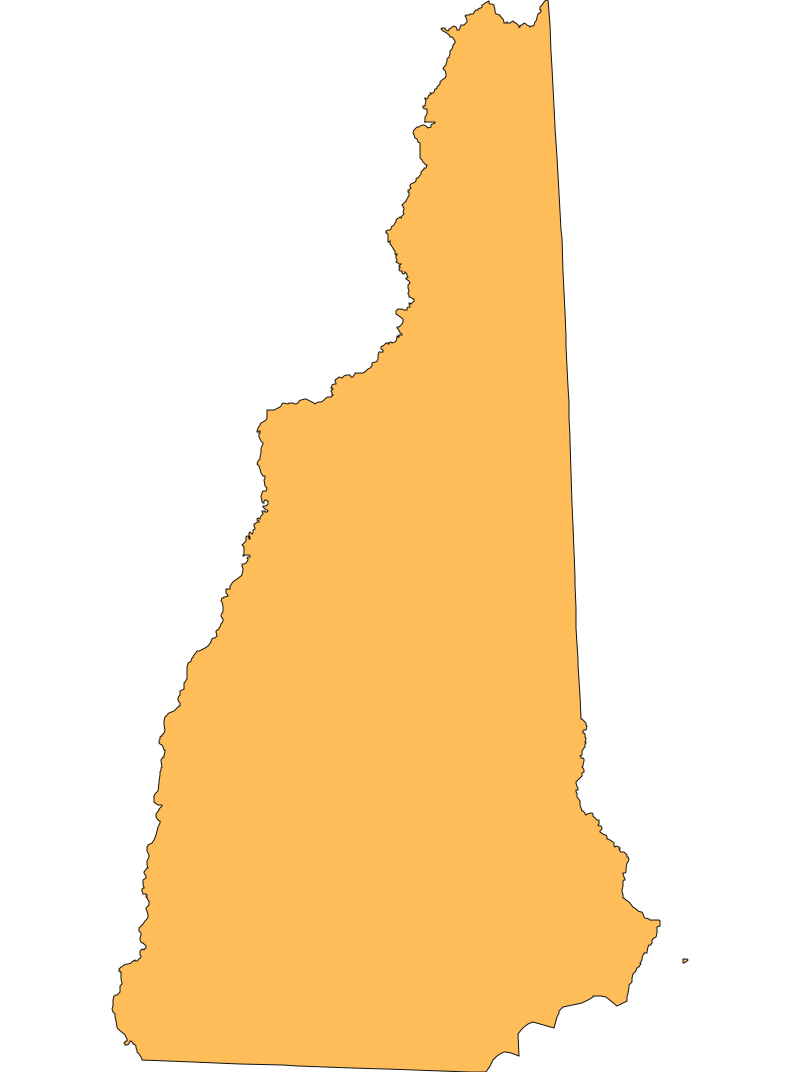
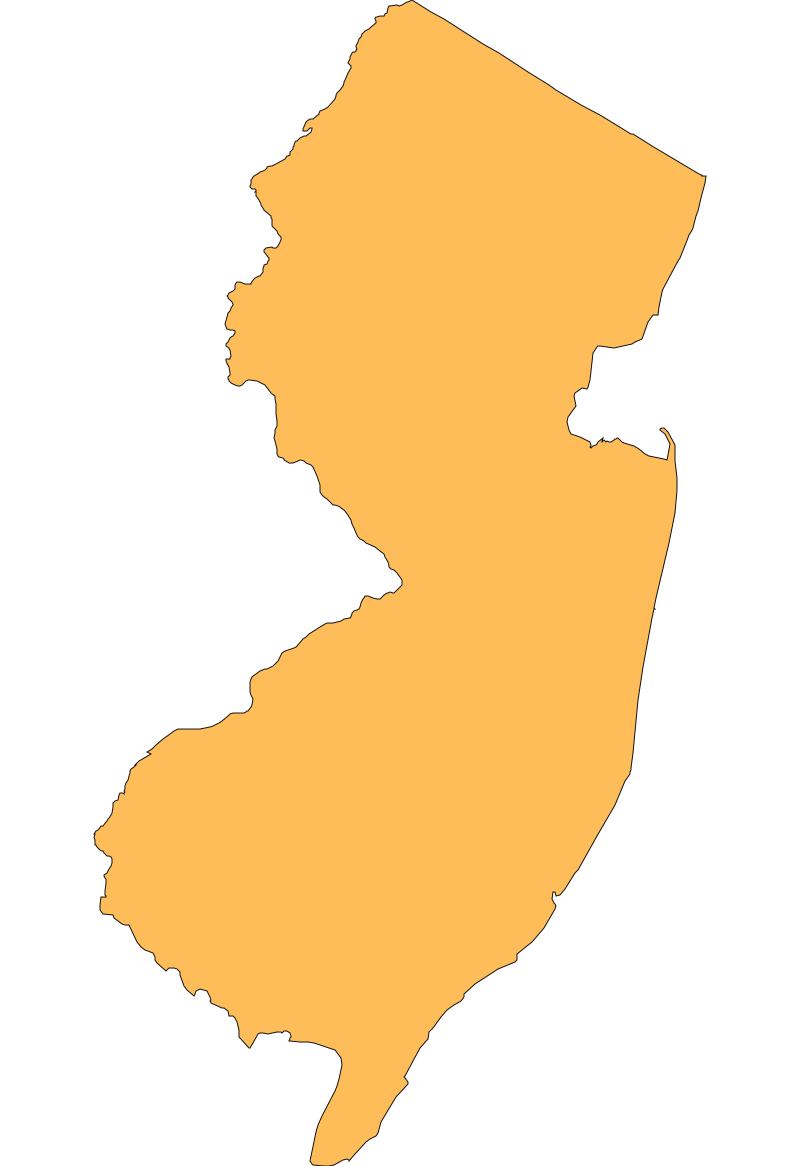
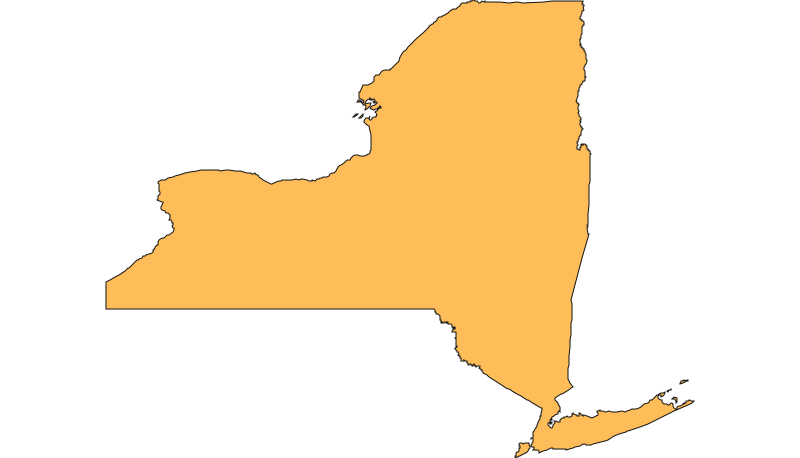
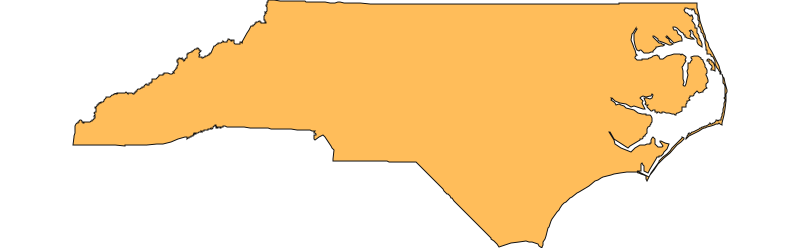
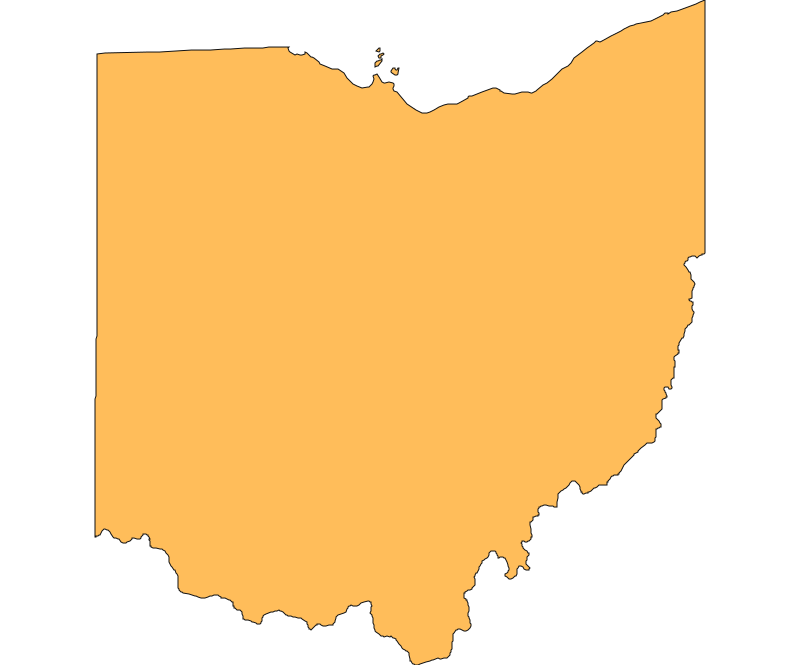
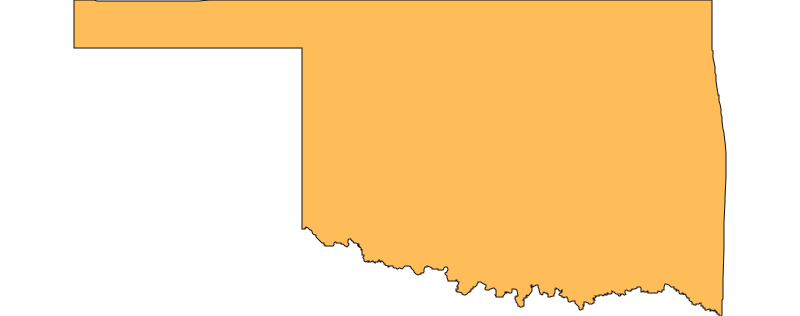
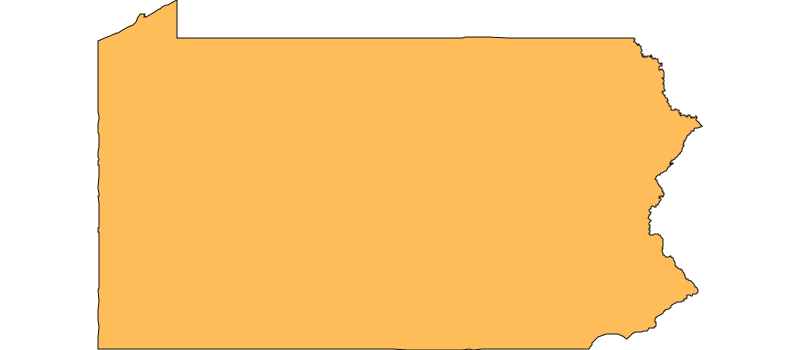
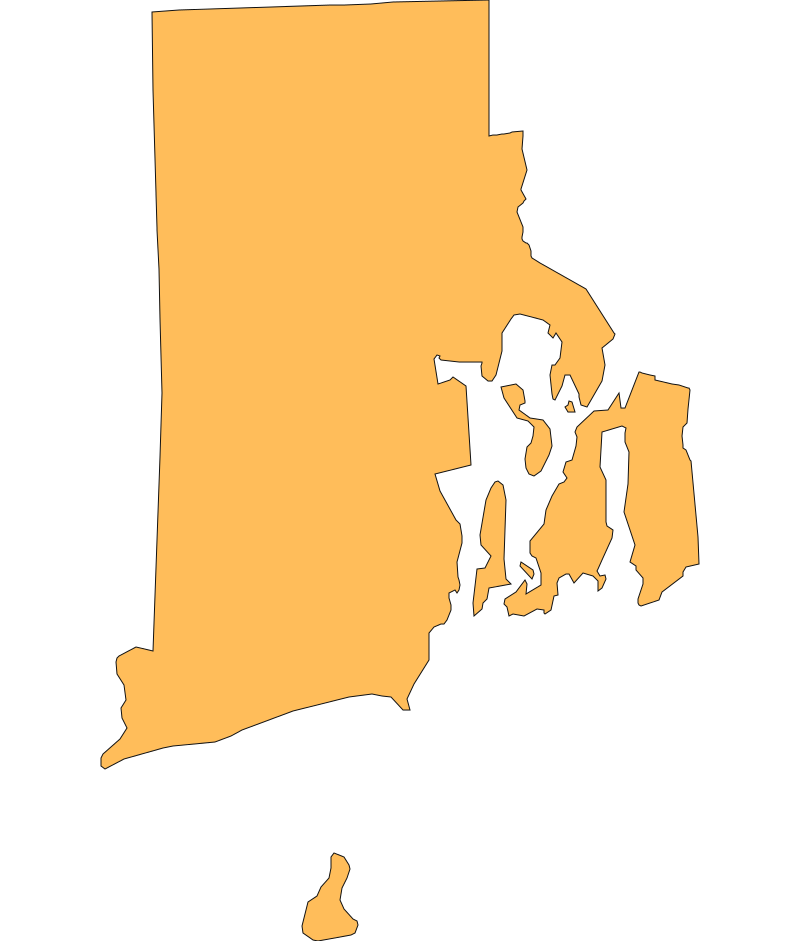
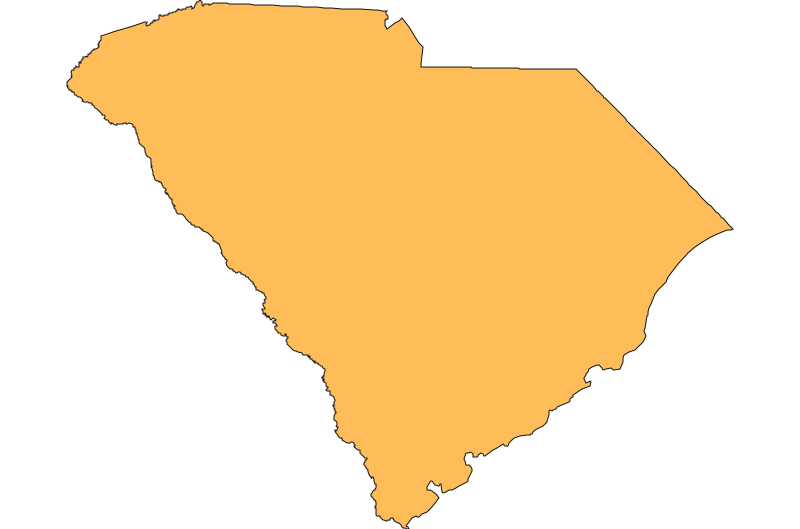
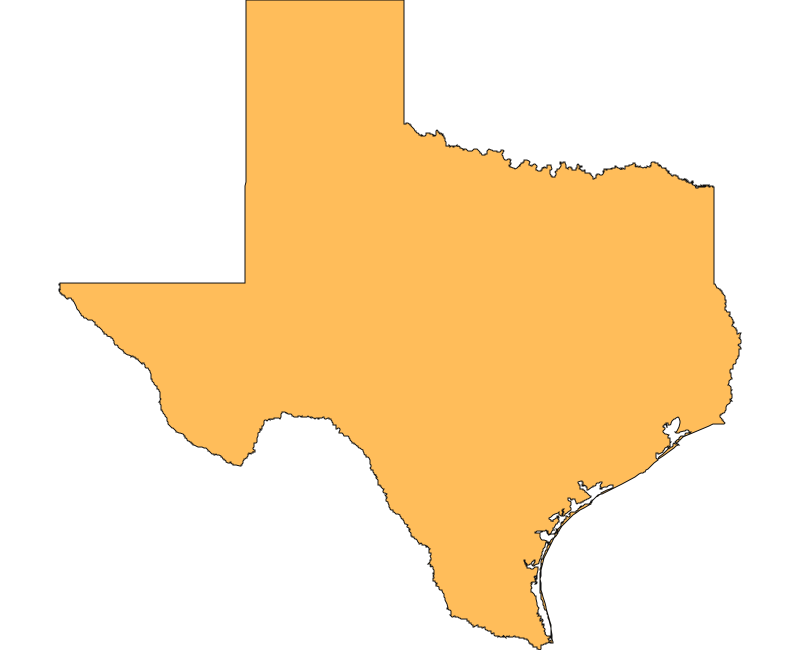
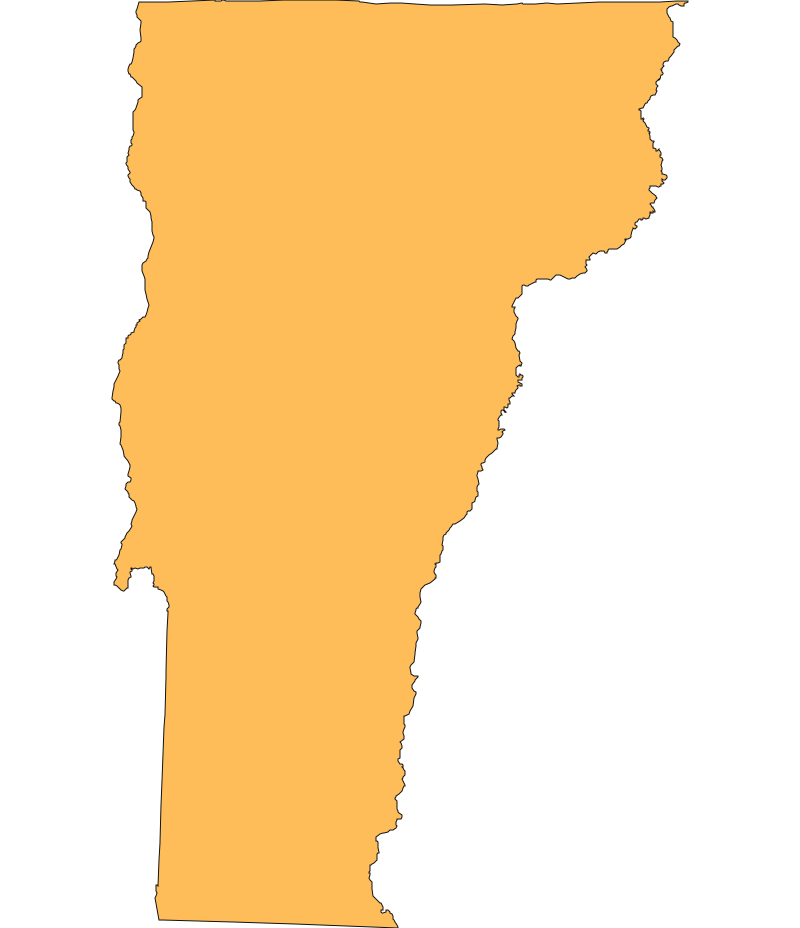
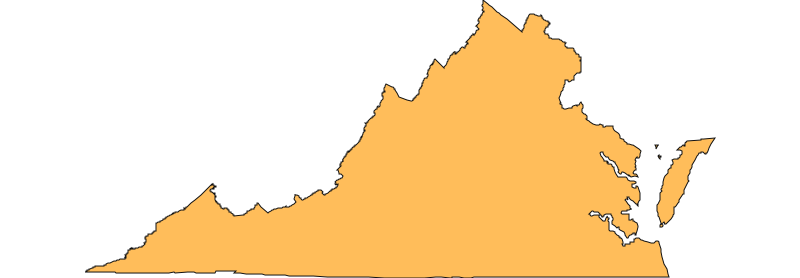
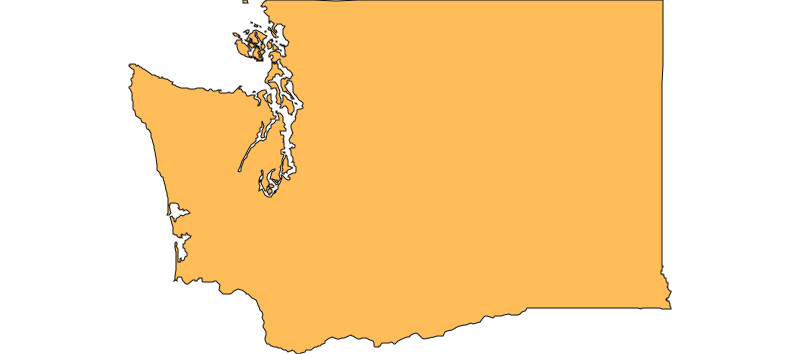
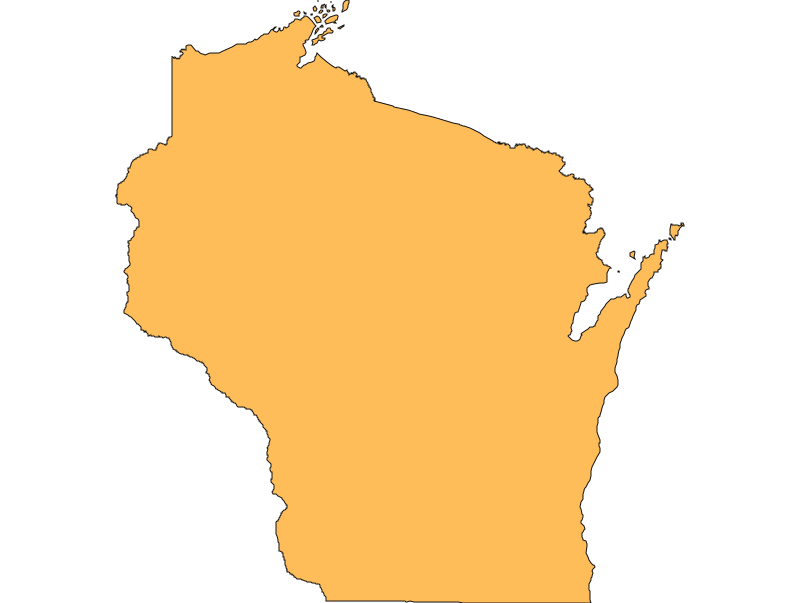
State maps display incidents from a U.S. state or territory, according to the incident's point-of-origin data.













Daily Wildfire Situation Report
Pacific Front Dampens Northwest Fires While Dry Warmth Persists in South
Wildfire activity nationwide remains at National Preparedness Level 1, allowing local and regional resources to manage incidents even as the season's total fire starts and burned area sit well above ten-year averages. A handful of uncontained large blazes remain under active suppression, centered mainly in the South and Great Lakes regions. An incoming Pacific cold front is providing soaking precipitation to the Northwest, while persistent warmth and dry air sustain late-season fire activity across the Deep South.
Significant Fires
- East Bailey Road Fire (Oklahoma) — Igniting southwest of Eagletown in McCurtain County, this wind-driven fire threatened nearby structures before bulldozer crews built initial containment lines. Continued unseasonable warmth, low humidity, and south-southwesterly breezes will maintain dry conditions over the incident across the coming days.
- Range 47B Fire (Mississippi) — Burning northeast of Brooklyn in Forrest County, the fire expanded quickly through grass and brush and continues to threaten structures on Forest Service land. Crews face persistent unseasonable warmth, low humidity, and steady easterly breezes with no rainfall expected through midweek.
- Sisi Fire (Washington) — Located northwest of Stehekin in Chelan County, this fire continues to smolder in heavy timber, threatening residences and keeping trail and road closures in place. Arriving rain and high-elevation snow from a Pacific frontal system are expected to help dampen fire activity.
- Bee Haven 2 Fire (Florida) — Burning northwest of Lake City in Hamilton County, this fire is smoldering in dense timber litter and has generated moderate smoke drifting toward the Gulf of Mexico. Ground crews and aviation resources remain engaged in reinforcing perimeter lines.
- Ridge Fire (Michigan) — Smoldering in timber and hardwood litter north of Negaunee in Marquette County, this fire has prompted recreational closures along the Noquemanon Trail system. Crews continue mop-up operations while maintaining established containment lines.
- Black River Fire (Michigan) — Burning in Gogebic County as part of the Rugged Terrain Complex, this lightning-caused blaze exhibits minimal creeping through timber litter and grass. Firefighters continue holding containment lines around the perimeter.
Conditions and Outlook
No active Red Flag Warnings are in effect nationwide, though moderate fire potential persists across the Lower Mississippi Valley and Deep South due to unseasonably warm temperatures and low humidity. An incoming Pacific cold front is delivering widespread rain and mountain snow across the Northwest and Northern Rockies, dampening fire danger while introducing flash flood and debris flow risks over summer burn scars. Meanwhile, cooler, dry weather will dominate California and the Four Corners with minimal fire potential.
Burn Bans and Land Management
Outdoor burn bans are active across 53 of Arkansas's 75 counties due to prolonged dry weather and high wildfire danger.
What Residents Should Do
- Adhere to local burn bans and avoid any open burning across the Lower Mississippi Valley.
- Stay alert for potential flash flooding and debris flows near recent burn scars in the Pacific Northwest.
- Respect trail and road closures near active incident perimeters in Washington and Michigan.
Wildfire news →

Inciweb Wildfire Alerts
Inciweb provides multiple RSS feeds that offer wildfire news, announcements, and incident summaries.
- Incident Programs
- National Incidents
The Klamath National Forest plans to conduct a prescribed burn beginning October 27 at Cedar Mountain, covering approximately 500 acres about ten miles south of Macdoel. The planned prescribed fire aims to: Reduce fuels to create a defensible space for fire suppression resources and…
Area and Road ClosureOrder Number: #02-10-05-26-10 PROHIBITIONSPursuant to 16 U.S.C. § 551 and 36 C.F.R. § 261.50 (a) and (b), the following areprohibited on National Forest System (NFS) lands and trails in the Canyon LakesRanger District, Arapaho and Roosevelt National…
The Lolo National Forest plans to implement prescribed fire operations across multiple districts today, as weather and fuels conditions allow. Missoula Ranger District: Firefighters plan to burn up to 10 acres of hand piles in the Granite Graves…
Smoke remains visible along areas of Larimer CR 68C (Boy Scout Road) as some fuels continue to burn in the fire footprint. Lines around the fire are secure. While area hiking trails are open, visitors are advised to stay on-trail and avoid moving through burned areas.
Aspen Acres Fire final update, 10/23/2026Size: 102,007 acresLocation: 10 miles northwest of Rye, COCause: Human-CausedContainment: 94% This will be the final update for the Aspen Acres…