Kilusiktok
 wildfire
Updated
THIS FIRE IS STALE
This incident has not been updated in more than three days. Data may be inaccurate.
Response
LEAD AGENCY
Bureau of Land ManagementRESPONSE LEVEL
Type 5Details

INCIDENT DETAILS

FIRE BEHAVIOR
Moderate
DESCRIPTION
51 Miles NE from Koyuk, AKOVERVIEW
Kilusiktok Fire started on 06/25 and is currently at 2,251 acres and 0% containment.Kilusiktok Fire Report — August 4, 2026
Kilusiktok Fire Report - August 04, 2026
Fire Start, Size and Growth
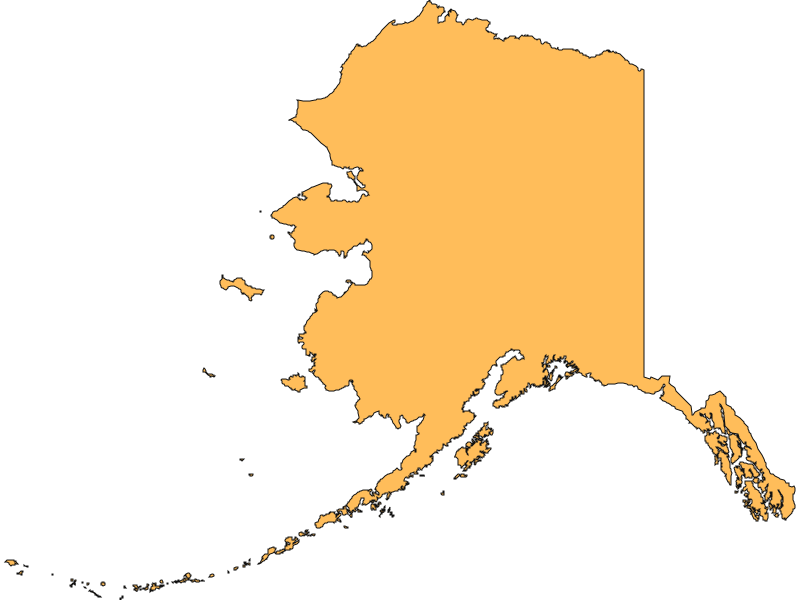
Start Date/Time/Location: The Kilusiktok Fire ignited on June 25, 2026. It is located in a remote area of Nome County, Alaska, approximately 51 miles northeast of Koyuk.
Size and Containment: As of August 4, 2026, the fire has burned approximately 2,251 acres and remains at 0% containment.
Fuels, Growth and Rate of Spread: Fueled by remote boreal forest and tundra vegetation, the fire has shown minimal growth over the last 72 hours, holding steady at its current acreage. The rate of spread remains low due to the natural landscape and current weather conditions in the area.
Containment Efforts: Because the fire is located in an extremely remote wilderness area far from populated communities, fire officials are employing a "monitor and observe" strategy. This is a standard management approach in Alaska for remote fires that do not pose an immediate threat to lives, property, or critical infrastructure. Fire personnel are regularly tracking the fire's perimeter via satellite and aerial reconnaissance rather than actively suppressing it with ground crews.
Emergency Information
Evacuations and Sheltering:
Mandatory Evacuation Orders: There are currently no mandatory evacuation orders in place for Nome County or the surrounding areas regarding this fire.
Evacuation Warnings: There are no evacuation warnings at this time.
Curfew: No curfews are in effect.
Evacuation Shelters and Information: Due to the remote nature of the fire, no evacuation shelters have been opened. The estimated number of people impacted by evacuations is zero.
Road and Infrastructure Closures:
- There are no road closures, school closures, or infrastructure impacts reported. The fire is burning far from any major roadways or transportation corridors.
For more information, visit:
- Alaska Division of Forestry & Fire Protection
- Alaska Interagency Coordination Center (AICC)
- Alaska 511 Travel Information
Current Impact
Impacts:
Injuries and Fatalities: There have been no reported injuries or fatalities associated with the Kilusiktok Fire.
Structures Impacted: No structures have been damaged or destroyed, and none are currently threatened.
School and Business Closures: No schools or businesses have been impacted by this incident.
Notable Impacts: The fire is burning entirely in a remote natural area; therefore, no notable individuals, communities, or historical structures have been impacted.
Safety Concerns:
Power Outages: There are no power outages associated with this fire.
Water Safety: No water safety issues have been reported.
Burn Bans: While the immediate area is unpopulated, residents and visitors in the broader Interior and western regions of Alaska should check local conditions, as burn restrictions are periodically implemented across the state due to ongoing summer fire danger.
Air Quality: Smoke from interior Alaskan fires can occasionally impact air quality depending on wind direction. While the Kilusiktok Fire is currently producing minimal smoke, residents in the broader region should monitor local air quality advisories and limit outdoor activities if smoke settles into nearby valleys.
Ongoing Outlook
Containment Projections: Fire officials expect the fire to remain at 0% containment as it continues to be managed under an observation strategy. It will likely continue to smolder and burn within its current footprint until significant seasonal precipitation or cooler autumn temperatures naturally extinguish it.
Weather and Wind Warnings: While there are no immediate Red Flag Warnings for the specific fire perimeter over the last 72 hours, Alaska's fire season typically runs through August. The broader region continues to experience typical late-summer conditions that can support fire activity, though cooler temperatures and shorter daylight hours are beginning to aid in naturally slowing fire spread.
Cause and the Role of Weather and Climate
Cause: The Kilusiktok Fire was caused by natural lightning strikes.
Weather and Climate: The 2026 Alaska fire season has been influenced by periods of above-average temperatures and dry conditions in the state's Interior. The fire was sparked during a period of intense lightning activity in late June. Vast, remote boreal-forest and tundra fires ignited by lightning are common in Alaska. However, ongoing climate variability has contributed to extended fire seasons, earlier snowmelts, and drier vegetation, making the Alaskan landscape increasingly susceptible to these types of natural ignitions.
 View All