Butte
 wildfire past fire
Updated
Response

LEAD AGENCY
Bureau of Indian AffairsRESPONSE LEVEL
Type 5
Details

INCIDENT DETAILS

FIRE BEHAVIOR
Minimal
DESCRIPTION
20 Miles SW from San Carlos, AZOVERVIEW
Butte Fire started on 08/03 and is currently at 670 acres and 100% containment.Butte Fire Report — August 10, 2026
Butte Fire Report - August 10, 2026
Fire Start, Size and Growth
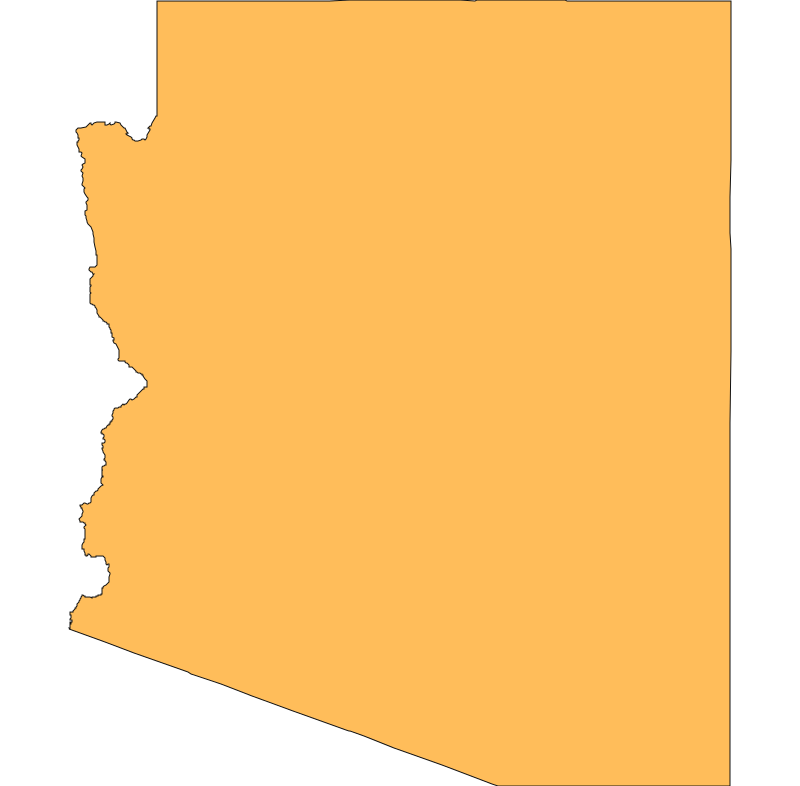
Start Date/Time/Location: The Butte Fire was discovered on August 3, 2026, following a lightning strike. It is located on the San Carlos Apache Reservation in Gila County, Arizona, approximately 20 miles southwest of San Carlos and southwest of Chiricahua Butte near Dehorn Ranch.
Size and Containment: Based on the latest incident reports over the last 72 hours, the fire has burned 676 acres and is currently 20% contained.
Fuels, Growth and Rate of Spread: The fire is burning through 2.5-foot tall grass, brush, and juniper. It initially exhibited extreme behavior and active backing, averaging 335 acres per day over its first two days of activity before its spread began to slow.
Containment Efforts: The fire is under the management of a Type 4 Incident Commander. Fire crews are concentrating on keeping the fire east of 1500 Road, near Dehorn Ranch. Ground crews have been working diligently to secure the edges of the fire and build handlines, while air attacks are focusing on the active east and northeast portions of the fire.
Emergency Information
Evacuations and Sheltering:
Mandatory Evacuation Orders: There are currently no mandatory evacuation orders in place for the Butte Fire.
Evacuation Warnings: There are no evacuation warnings at this time.
Curfew: No curfews have been issued for the surrounding areas.
Evacuation Shelters and Information: Because there are no active evacuations, no emergency shelters have been opened specifically for this incident.
Road and Infrastructure Closures:
- There are no reported road closures or infrastructure closures associated with the Butte Fire at this time.
For more information, visit:
- San Carlos Apache Tribe Forestry
- Arizona Department of Forestry and Fire Management
- InciWeb - Incident Information System
Current Impact
Impacts:
Injuries and Fatalities: There have been no reported injuries or fatalities associated with the Butte Fire.
Structures Impacted: The fire is burning in a remote area of federal and tribal land. No structures have been reported as threatened, damaged, or destroyed.
School and Business Closures: No schools or businesses have been impacted or closed due to this fire.
Notable Impacts: The fire is primarily impacting natural landscapes and remote grazing areas on the San Carlos Apache Reservation.
Safety Concerns:
Power Outages: There are no reported power outages related to the Butte Fire.
Water Safety: No water safety concerns have been reported.
Burn Bans: Due to current fire activity and dry conditions, strict fire restrictions are in effect. The San Carlos Forestry office has suspended all home-use burning permits, and no outdoor burning is allowed until further notice.
Air Quality: Smoke from the fire may be visible from surrounding areas and highways. Smoke is expected to be heavier in the evenings and early mornings as it settles into lower elevations. Residents sensitive to smoke should monitor local air quality and limit outdoor activities if conditions worsen.
Ongoing Outlook
Containment Projections: Containment has steadily improved to 20%, up from 0% earlier in the week. Firefighters project continued progress over the coming days as they secure the eastern and northeastern flanks with the assistance of aviation resources.
Weather and Wind Warnings: The forecast includes high temperatures typical for August, with the possibility of afternoon thunderstorms. These storms bring the risk of gusty, erratic winds that could temporarily increase fire behavior, as well as the potential for new lightning starts in the region.
Cause and the Role of Weather and Climate
Cause: The Butte Fire was caused by a natural lightning strike on August 3, 2026.
Weather and Climate: The fire is burning during Arizona's typical peak fire season. Abundant tall grass (measured at 2.5 feet)—which grew during previous wet periods and was subsequently dried out by extreme summer heat—is serving as the primary fuel. The combination of highly receptive dry fuels, high temperatures, and seasonal monsoon thunderstorm activity (which brings both lightning and erratic winds) continues to play a significant role in the fire's behavior and the broader regional fire risk.
 View All