Mile Marker 44
 wildfire
Updated
THIS FIRE IS STALE
This incident has not been updated in more than three days. Data may be inaccurate.
Response

LEAD AGENCY
Bureau of Indian Affairs
Details

Mile Marker 44 Fire Report — June 1, 2026
Mile Marker 44 Fire Report - June 1, 2026
Fire Start, Size and Growth
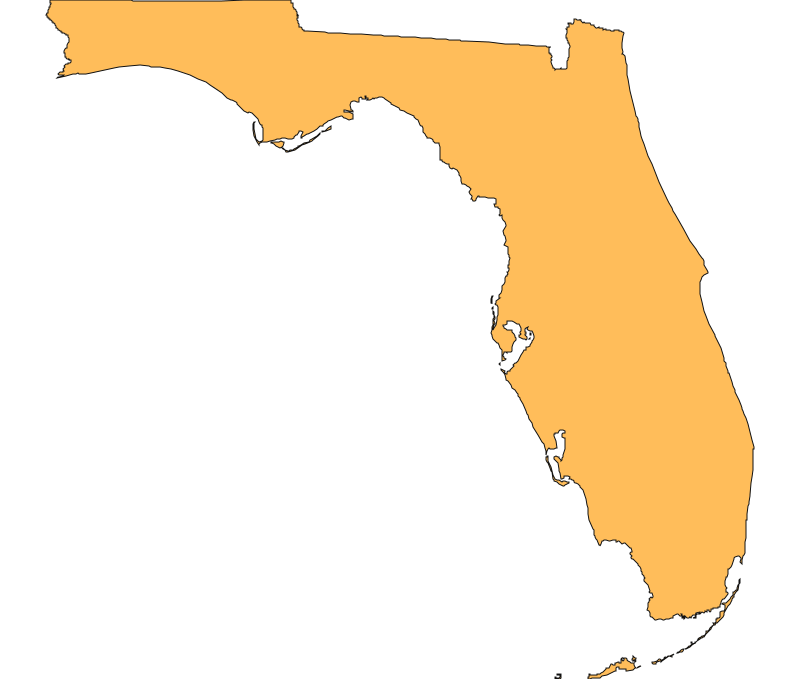
Start Date/Time/Location: The Mile Marker 44 Fire ignited on Saturday, May 23, 2026, around 11:30 a.m. in western Broward County, Florida, near Interstate 75 and Mile Marker 44 over the Everglades.
Size and Containment: As of the latest updates over the last 72 hours, the fire remains at 1,200 acres and has successfully reached 100% containment. It is currently classified as inactive.
Fuels, Growth and Rate of Spread: Fueled primarily by tall grass typical of the Everglades terrain, the fire grew steadily from an initial 400 acres on May 23 to 1,200 acres by May 24.
Containment Efforts: The Florida Forest Service led the response and containment efforts. Crews made rapid progress, bringing containment from 20% on May 24 up to 100% by the morning of May 26. Because the fire is fully contained, the incident has been deactivated from active regional fire mapping.
Emergency Information
Evacuations and Sheltering:
Mandatory Evacuation Orders: There are no mandatory evacuation orders in place, as the fire burned in a remote section of the Everglades.
Evacuation Warnings: No evacuation warnings were issued for this incident.
Curfew: No curfews are in effect.
Evacuation Shelters and Information: No evacuation shelters were required or opened.
Road and Infrastructure Closures:
- There are no road closures currently in effect. Interstate 75 (Alligator Alley) remains open, though drivers were initially advised to monitor for smoke during the fire's active burning period.
- No schools or critical infrastructure were closed due to this fire.
For more information, visit:
- Florida Forest Service Current Wildfire Conditions
- Broward County Emergency Management
- Florida 511 for Road Conditions
Current Impact
Impacts:
Injuries and Fatalities: There have been no reported injuries or fatalities associated with the Mile Marker 44 Fire.
Structures Impacted: Due to its remote location in the Everglades, no structures were threatened, damaged, or destroyed.
School and Business Closures: No schools or local businesses were impacted or closed.
Notable Impacts: The fire burned entirely within the natural, uninhabited landscape of the western Broward County Everglades.
Safety Concerns:
Power Outages: No power outages have been reported in connection with this fire.
Water Safety: No specific water safety concerns have been reported.
Burn Bans: Residents should consult local Broward County and Florida Forest Service guidelines for seasonal fire restrictions, though no specific burn bans were triggered solely by this fire.
Air Quality: During the fire's active phase, strong east and southeast winds steered smoke westward, temporarily lowering air quality near Opa-Locka and areas west and northwest of the fire. With the fire now 100% contained and recent rains moving through the area, air quality has returned to normal.
Ongoing Outlook
Containment Projections: The fire is 100% contained. Firefighters and the Florida Forest Service have fully secured the perimeter, and no further spread is expected. The incident is considered inactive, and no further growth is projected.
Weather and Wind Warnings: While the fire is contained, the broader South Florida region has transitioned into a highly unsettled weather pattern. Deep tropical moisture and an upper-level low-pressure system have brought heavy downpours and widespread thunderstorms to the area over the last 72 hours, triggering marginal risks for excessive rainfall and localized flash flooding.
Cause and the Role of Weather and Climate
Cause: Official incident reports indicate the cause of the Mile Marker 44 Fire was natural.
Weather and Climate: The fire's initial spread was exacerbated by warm temperatures near 90 degrees and strong onshore winds flowing from the southeast at 10 to 20 mph, with gusts up to 30 mph. These breezy conditions helped steer the smoke but also fueled the fire's growth through the tall grass. However, the recent shift in climate bringing deep tropical moisture and heavy rainfall to South Florida has thoroughly aided in suppressing any remaining fire activity and preventing new natural ignitions in the area.
 View All