ST-1 Alpha
 wildfire past fire
Updated
Response

LEAD AGENCY
Multiple AgenciesRESPONSE LEVEL
Type 4

Details

INCIDENT DETAILS

FIRE BEHAVIOR
Minimal
NEAREST CITY
Avon Park
DESCRIPTION
10 Miles N from Avon Park, FLOVERVIEW
St-1 Alpha Fire started on 02/03 and is currently at 3,047 acres and 100% containment.ST-1 Alpha Fire Report — February 5, 2026
ST-1 Alpha Fire Report - February 5, 2026
Fire Start, Size and Growth
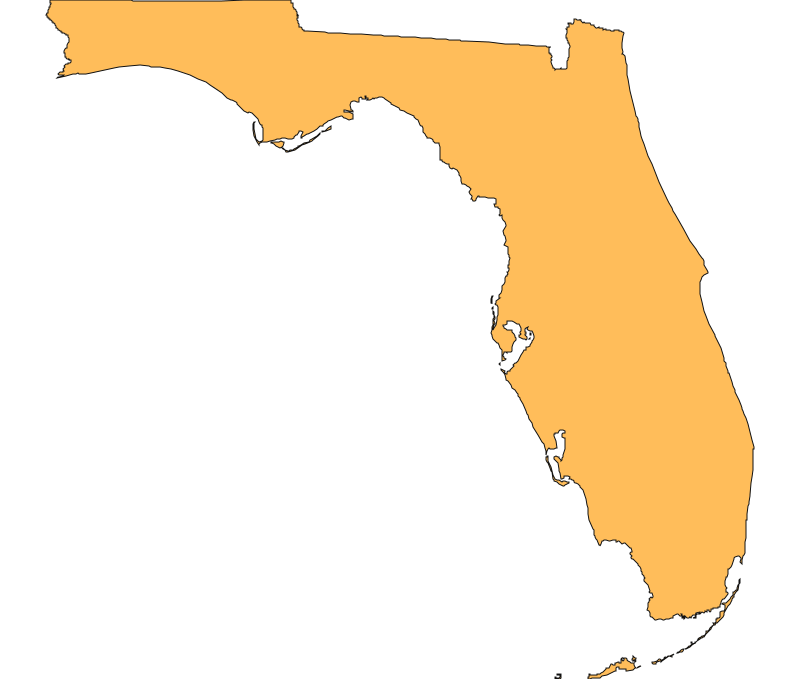
Start Date/Time/Location: The ST-1 Alpha Fire was first reported around 9:30 a.m. on Tuesday, February 3, 2026. It is located in Highlands County, Florida, approximately 10 to 17 miles north/southeast of the Avon Park and Lake Wales areas.
Size and Containment: As of the last detailed update on the evening of February 3, 2026, the fire had burned approximately 3,047 acres and was 80% contained.
Fuels, Growth and Rate of Spread: The fire is burning primarily in "Southern Rough" terrain and tall grass (approximately 2.5 feet high). It exhibited moderate fire behavior with some running and creeping observed during its initial growth phase.
Containment Efforts: Firefighting crews from the Florida Forest Service and local agencies have been on scene. Resources have included tractor plow units to establish containment lines. The estimated cost of suppression efforts to date is approximately $10,000.
Emergency Information
Evacuations and Sheltering:
Evacuation Orders: There are currently no active mandatory evacuation orders reported specifically for the ST-1 Alpha Fire as of February 5, 2026.
Note: Residents may recall evacuation orders issued in late January for the separate "Leisure Lakes/Durrance" fire in Highlands County; those orders were lifted prior to the start of this new incident.
Evacuation Warnings: No active evacuation warnings are currently in effect for this specific incident.
Road and Infrastructure Closures:
- Road Closures: No major road closures (such as US 27 or State Road 70) have been reported in direct relation to the ST-1 Alpha Fire. However, drivers in the area should remain alert for emergency vehicles and potential smoke visibility issues.
- Infrastructure: No significant infrastructure closures (schools, government buildings) have been reported linked to this fire.
For more information, visit:
- Florida Forest Service - Active Wildfire Points
- Highlands County Fire Rescue Facebook (Official updates often posted here)
- Florida Disaster - Wildfire Information
Current Impact
Impacts:
Injuries and Fatalities: There have been no reported injuries or fatalities associated with the ST-1 Alpha Fire.
Structures Impacted: No structures have been reported as damaged or destroyed by this specific fire. The fire appears to be burning largely in undeveloped agricultural or wildland areas.
Smoke and Air Quality: Smoke from the fire has contributed to light-density smoke plumes in the region. However, current air quality readings for Highlands County as of February 5 indicate "Good" conditions (AQI ~31). Residents with respiratory issues should still monitor conditions if wind shifts bring smoke into populated areas.
Safety Concerns:
Burn Bans: Please check with Highlands County officials for the most current local burn ban status, as dry conditions have persisted in parts of the state.
Fire Restrictions: "Elevated wildfire conditions" have been noted for Central Florida. Residents are urged to exercise extreme caution with any outdoor burning or equipment use that could spark a fire.
Ongoing Outlook
Containment Projections: With containment already at 80% as of the last major update, crews are likely in the "mop-up" phase, working to secure the fire perimeter and extinguish hot spots. Full containment is expected soon, barring significant weather changes.
Weather and Wind Warnings:
- Forecast: The outlook for Highlands County calls for pleasant conditions with sunshine.
- Fire Weather: While no Red Flag Warning is currently active for the immediate area, "elevated wildfire conditions" remain a concern for Central Florida due to recent dry spells. Winds have been reported as light (around 3 mph), which aids containment efforts.
Cause and the Role of Weather and Climate
Cause: Official reports list the cause of the ST-1 Alpha Fire as Human.
Weather and Climate: The fire's growth was facilitated by dry conditions typical of Florida's winter dry season. The presence of "Southern Rough" fuels and tall grass, combined with lower humidity earlier in the week, allowed for the initial spread. Recent cool mornings and warming trends are typical for this time of year, but the underlying dryness in the vegetation remains a key factor in fire susceptibility.
 View All