Breezy
 wildfire
Updated
THIS FIRE IS STALE
This incident has not been updated in more than three days. Data may be inaccurate.
Response

LEAD AGENCY
Forest ServiceRESPONSE LEVEL
Type 5

Details

INCIDENT DETAILS

FIRE BEHAVIOR
Moderate
DESCRIPTION
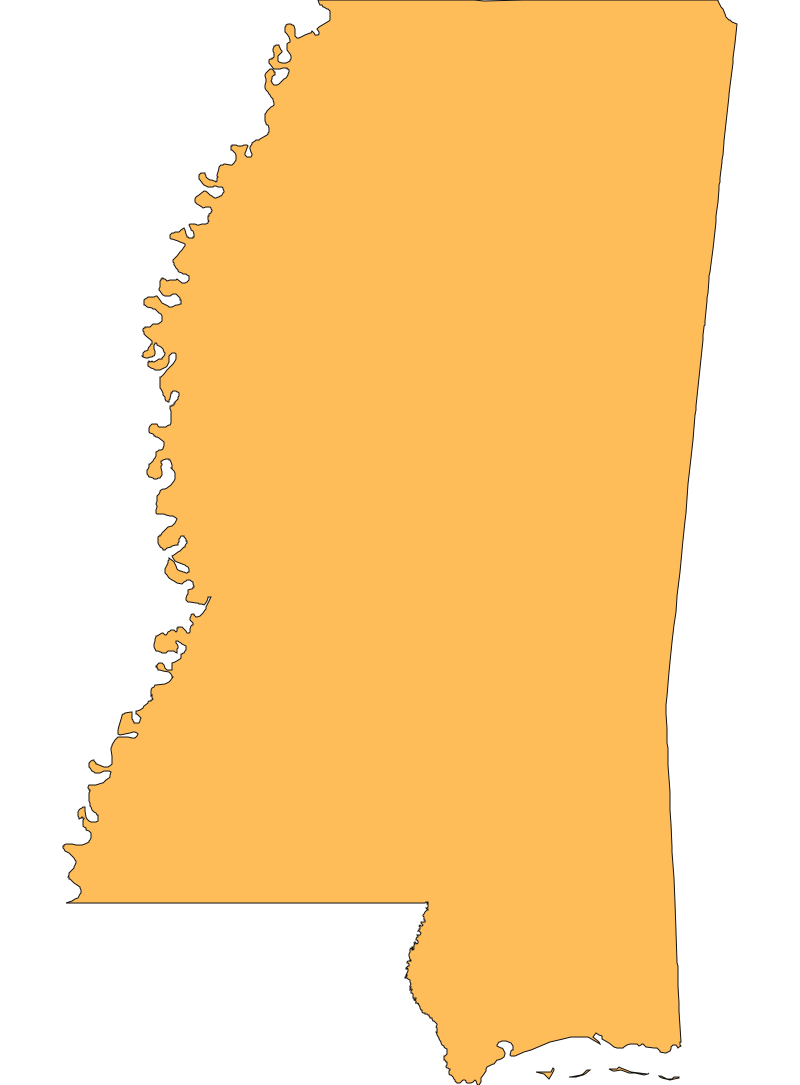
6 Miles SE from Currie, MSOVERVIEW
Breezy Fire started on 01/31 and is currently at 650 acres and 90% containment.Breezy Fire Report — February 8, 2026
Breezy Fire Report - February 8, 2026
Fire Start, Size and Growth
Start Date/Time/Location: The Breezy Fire ignited earlier this week in Perry County, Mississippi. It was first reported around late January or early February 2026.
Size and Containment: As of February 6, 2026, the fire has burned approximately 650 acres. It is currently listed as Contained.
Fuels, Growth and Rate of Spread: The fire grew to 650 acres before crews were able to bring it under control. Fire managers have noted that storm debris from severe ice events in January has significantly increased fuel loads in the area, complicating suppression efforts by restricting access for equipment.
Containment Efforts: The fire is now contained, with crews remaining on scene to monitor for hotspots and ensure no flare-ups occur. The Mississippi Forestry Commission (MFC) and local agencies have been managing the incident.
Emergency Information
Evacuations and Sheltering:
Mandatory Evacuation Orders: There are currently no active mandatory evacuation orders reported specifically for the Breezy Fire.
Evacuation Warnings: No active evacuation warnings are in place for this incident.
Shelters: As the fire is contained, no emergency shelters are currently open for fire evacuees.
Road and Infrastructure Closures:
- Road Closures: There are no specific road closures reported for the Breezy Fire at this time. However, travelers in the region should be aware of potential debris and cleanup crews on roads due to the recent winter storms.
- Infrastructure: While the fire itself has not caused major reported infrastructure closures, the region is recovering from a major winter storm that caused widespread power outages.
For more information, visit:
- Mississippi Forestry Commission Facebook
- MEMA (Mississippi Emergency Management Agency)
- NWS Jackson Fire Weather
Current Impact
Impacts:
Injuries and Fatalities: There have been no reported injuries or fatalities specifically attributed to the Breezy Fire.
Structures Impacted: No structures have been reported as destroyed or damaged by this specific fire. The primary impact has been on forest lands and vegetation.
Notable Impacts: The fire has burned through areas heavily affected by recent ice storms, consuming downed timber and debris.
Safety Concerns:
Burn Bans: While specific county-level burn bans change frequently, the Mississippi Forestry Commission often advises caution during post-storm cleanups. Residents should verify with local authorities before burning debris, as the high fuel load from storm damage increases fire risk.
Air Quality: Smoke impacts have been minimal due to the containment of the fire, but residents sensitive to smoke should remain aware of changing conditions if hotspots flare up.
Debris: The presence of heavy storm debris remains a safety hazard for both residents and firefighters in the area.
Ongoing Outlook
Containment Projections: With the fire currently listed as contained, crews are expected to continue monitoring the perimeter to ensure it holds. The threat of significant expansion has diminished.
Weather and Wind Warnings:
- Current Conditions: As of Sunday, February 8, weather in Perry County is sunny with temperatures around 33°F and high humidity (approx. 90% in the morning, dropping to ~60% later).
- Forecast: A warming trend is expected early in the week, followed by increasing chances of rain towards the end of the week (Feb 13-15).
- Warnings: There are currently no Red Flag Warnings in effect for Perry County. However, a drying trend earlier in the week facilitated the fire's initial spread.
Cause and the Role of Weather and Climate
Cause: The specific cause of the Breezy Fire is undetermined at this time.
Weather and Climate: The fire's growth was influenced by a "drying trend" that followed severe winter storms in January. These storms left behind a significant amount of downed timber and debris (heavy fuel loads), which dried out and became susceptible to ignition. The transition from extreme winter weather to drier, breezy conditions created a window for this fire to establish itself before humidity levels recovered.
 View All