Horny Toad
 wildfire
 ACRES BURNED
680
STATE
Texas
ORIGIN COUNTY
CarsonCONTAINMENT
90%
THIS FIRE IS STALE
This incident has not been updated in more than three days. Data may be inaccurate.
Response

LEAD AGENCY
Texas A&M Forest Service

Details

INCIDENT DETAILS

FIRE BEHAVIOR
Moderate
NEAREST CITY
Paanhandle
DESCRIPTION
11 Miles N from Panhandle, TXHorny Toad Fire Report — April 16, 2026
Fire Start, Size and Growth
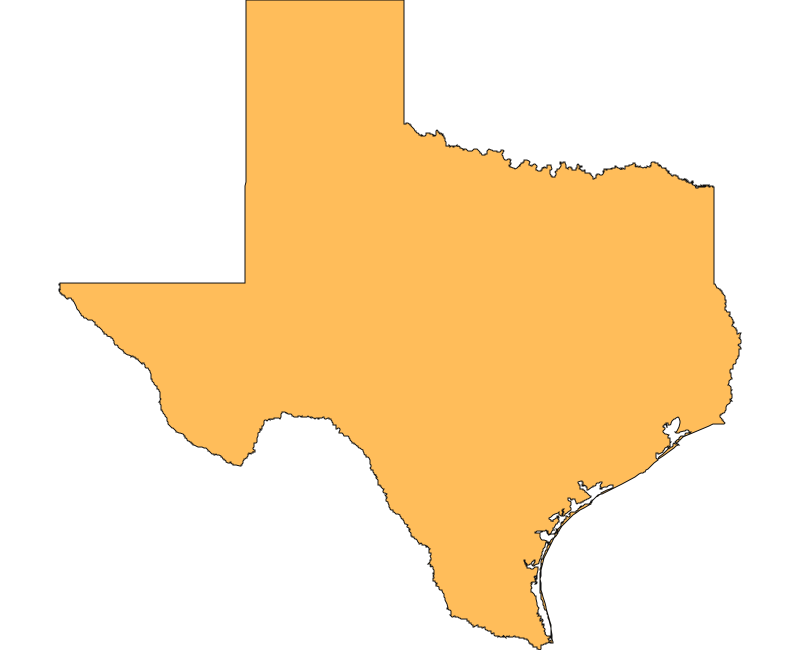
Start Date/Time/Location: The Horny Toad Fire ignited at approximately 5:00 p.m. on Sunday, April 12, 2026. It is located approximately 11 miles south of Borger, Texas, in Carson County.
Size and Containment: As of April 16, 2026, the fire has burned 680 acres and is currently 90% contained.
Fuels, Growth and Rate of Spread: The fire has been primarily fueled by thick, tall grass (up to 2.5 feet) and brush in rough terrain. Initially exhibiting moderate fire behavior, the forward progression of the fire was successfully stopped shortly after ignition at 7:00 p.m. on April 12.
Containment Efforts: The Texas A&M Forest Service is in unified command with the Skellytown Volunteer Fire Department. Fire departments on the scene include Skellytown, Panhandle, Stinnett, Borger, Pantex, Groom, Fritch, Whitedeer, Crutch, and the National Park Service. A total of 44 personnel have been assigned to the incident. Heavy equipment has been actively engaged to widen and improve containment lines, while firefighters continue to patrol the perimeter. No active fire has been observed across the area recently.
Emergency Information
Evacuations and Sheltering:
Mandatory Evacuation Orders: We can plainly state that there are currently no mandatory evacuation orders in place for this incident.
Evacuation Warnings: There are no evacuation warnings reported at this time.
Curfew: No curfews have been reported.
Evacuation Shelters and Information: Because there are no active evacuations, no shelters have been opened.
Road and Infrastructure Closures:
- There are no reported road, school, or infrastructure closures associated with this fire.
For more information, visit:
- Texas A&M Forest Service Current Incidents
- Carson County Emergency Management
- Texas Interagency Coordination Center
Current Impact
Impacts:
Injuries and Fatalities: There are no reported injuries or fatalities associated with the Horny Toad Fire.
Structures Impacted: There are no reports of structures damaged, destroyed, or currently threatened by the fire.
School and Business Closures: No schools or businesses have reported closures due to this incident.
Notable Impacts: There are no notable people or structures reported to be impacted by this fire.
Safety Concerns:
Power Outages: No power outages have been reported in connection with the fire.
Water Safety: No specific water safety concerns have been reported.
Burn Bans: Due to extreme fire danger and critical fire weather conditions across the region, outdoor burning is highly discouraged and local burn bans may be in effect.
Air Quality: Fluffy gray smoke clouds were initially visible in the area. While no active fire is currently observed, residents sensitive to smoke should continue to monitor local air quality advisories.
Ongoing Outlook
Containment Projections: The fire sits at 90% containment. With forward progression stopped and no active fire currently observed across the area, firefighters anticipate reaching full containment soon as they continue to patrol the perimeter and reinforce containment lines with heavy equipment.
Weather and Wind Warnings: A Red Flag Warning is in effect for the broader region through Thursday evening, April 16. Critical fire weather conditions are forecast, including dry conditions with relative humidity dropping to around 10% and southwest winds gusting between 25 to 35 mph.
Cause and the Role of Weather and Climate
Cause: The cause of the Horny Toad Fire is attributed to human activity, specifically related to equipment and vehicle use (passenger vehicle/motorized RV).
Weather and Climate: The fire environment is being heavily influenced by critical fire weather conditions across the Texas Panhandle. The combination of unseasonably warm temperatures, very low relative humidity (around 10%), and strong, gusty southwest winds has created a dangerous environment for rapid fire spread, particularly in the thick, dry grasses characteristic of the region.
 View All